Foundation bolts are a cornerstone of modern construction, playing a vital role in ensuring the stability, safety, and longevity of structures. Whether you are constructing high-rise buildings, industrial facilities, bridges, or infrastructure projects, Anchor Bolt is one of the most critical components of your design. An Anchor Bolt is more than just a fastener; it is the link between structural elements and the concrete foundation that supports them. Understanding the types, materials, installation techniques, and applications of Anchor Bolt can help construction professionals make informed decisions that improve safety, efficiency, and performance.
This comprehensive guide will explore every aspect of Anchor Bolt, from their types and materials to installation best practices, common mistakes, and selection criteria. By the end, you will have a clear understanding of how to utilize Anchor Bolt effectively in your projects.
What is a Foundation Bolt?
A foundation bolt is a fastener embedded into concrete to anchor structural elements like steel columns, heavy machinery, or equipment. These bolts are designed to transfer structural loads from the components they secure directly into the foundation, ensuring the stability of the entire structure.
The role of an Anchor Bolt is critical because any failure in its design, material, or installation can compromise the structural integrity of a building or industrial setup. Anchor Bolt are used in various applications, including:
- Structural steel frameworks
- Industrial machinery installation
- Bridges and infrastructure projects
- High-rise and commercial buildings
The correct choice and placement of foundation bolts can prevent costly maintenance, structural damage, and safety hazards over the life of a project.
Types of Foundation Bolts
Foundation bolts are available in several types, each designed to meet specific structural and load-bearing requirements. Understanding these types can help engineers and contractors select the most suitable option for their project.
1. Straight Foundation Bolts
Straight Anchor Bolt are simple rods with threads at one end. They are ideal for light-to-medium load applications where the base plate can sit directly on the concrete foundation. Straight bolts are cost-effective and widely used in various construction projects.
2. L-Shaped Foundation Bolts
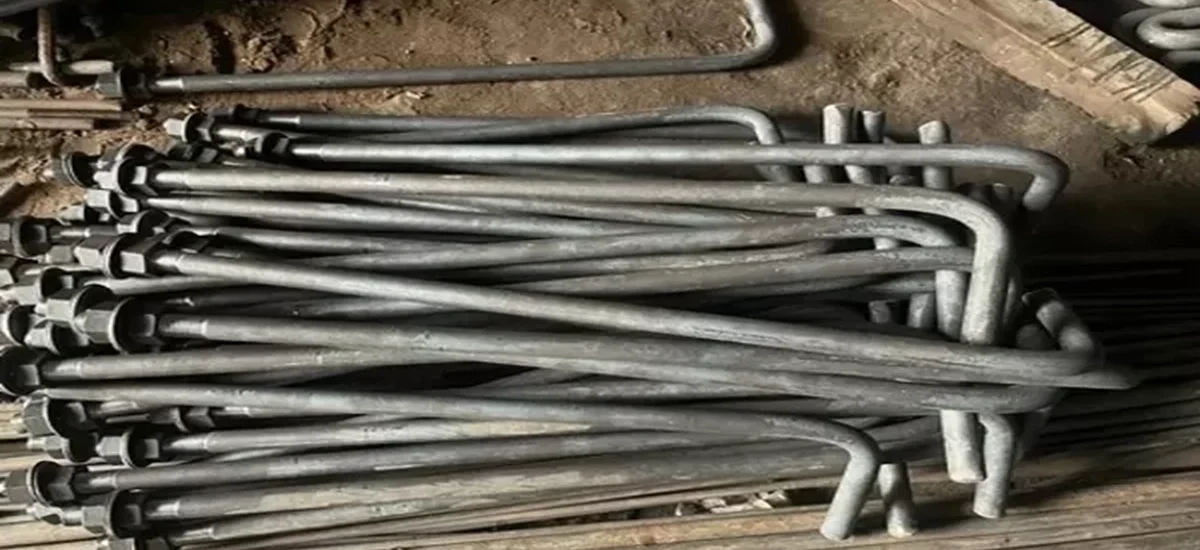
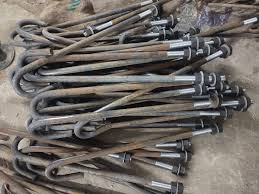
L-shaped Anchor Bolt are bent at a 90-degree angle, providing additional mechanical anchoring within concrete. The bend ensures that the bolt resists pull-out forces, making it ideal for structures that experience high loads or lateral stresses.
3. Anchor Bolts with Plates
These Anchor Bolt have welded plates at the end to increase the surface contact with concrete. This design improves load distribution and enhances pull-out resistance, making them suitable for heavy machinery installations or high-load structures.
4. Custom Foundation Bolts
Custom Anchor Bolt are manufactured according to specific project requirements, including length, diameter, thread type, and material grade. Customization ensures that the Anchor Bolt meets the unique demands of specialized construction projects or industrial applications.
Materials Used in Foundation Bolts
The material of a foundation bolt determines its strength, durability, and suitability for different environments. Choosing the right material is critical to achieving structural safety and longevity. Common materials include:
- Carbon Steel: A standard choice for most construction projects, providing adequate strength and affordability. Suitable for indoor applications.
- Alloy Steel: Offers higher tensile strength and superior resistance to wear and fatigue. Often used in industrial and high-load applications.
- Stainless Steel: Provides excellent corrosion resistance, especially in coastal areas or chemical-exposed environments. Ideal for outdoor or harsh conditions.
Anchor Bolt is also categorized by grades, such as Grade 4.6, 8.8, and 10.9, which indicate tensile strength and load capacity. Selecting the appropriate grade ensures the Anchor Bolt can withstand the forces it will encounter over its lifespan.
Importance of Foundation Bolts
Foundation bolts are more than just a component; they are vital for structural stability and safety. Some of the key reasons Anchor Bolt are essential include:
- Load Transfer: They distribute structural loads from columns or machinery to the concrete foundation.
- Seismic Resistance: Properly designed Anchor Bolt helps structures withstand earthquakes and lateral forces.
- Alignment and Stability: Anchor Bolt ensures proper alignment of columns, equipment, or machinery, reducing stress and operational issues.
- Corrosion Resistance: High-quality Anchor Bolt can resist environmental and chemical effects, enhancing durability.
Neglecting the quality or proper installation of Anchor Bolt can lead to structural failures, costly repairs, and compromised safety.
Installation Best Practices
Correct installation of Anchor Bolt is crucial for achieving optimal performance. Here are essential installation steps and best practices:
1. Planning and Layout
Ensure the placement of Anchor Bolt aligns precisely with the structural design. Accurate spacing and positioning prevent misalignment and load distribution issues.
2. Concrete Pouring
Foundation bolts should be carefully positioned during concrete pouring. Avoid moving the bolts while the concrete sets, as this can compromise stability and alignment.
3. Thread Protection
Use plastic caps or tape to protect bolt threads during installation. This prevents concrete from adhering to threads and ensures proper nut tightening later.
4. Torque Specifications
Apply the correct torque when tightening nuts on Anchor Bolt. Over-tightening or under-tightening can reduce the bolt’s effectiveness and compromise structural safety.
5. Inspection and Verification
After installation, inspect each foundation bolt for alignment, embedment depth, and surface quality. Proper inspection ensures the bolts meet design specifications.
Common Mistakes to Avoid
Even experienced engineers can make mistakes with Anchor Bolt. Avoid these common errors:
- Incorrect Bolt Grade: Using a lower-grade bolt can reduce load capacity and safety.
- Insufficient Embedment: Shallow foundation bolts are prone to pull-out failures.
- Ignoring Corrosion Protection: Unprotected bolts in harsh environments can deteriorate quickly.
- Misalignment: Misplaced Anchor Bolt can stress structural elements and increase repair costs.
- Poor Quality Control: Low-quality or inconsistent Anchor Bolt can compromise an entire structure.
Proper selection, planning, and installation are critical to avoiding these mistakes.
How to Select the Right Foundation Bolt
Selecting the correct foundation bolt involves several considerations:
- Load Requirements: Assess the tensile and shear forces the bolt must withstand.
- Environmental Conditions: Consider exposure to chemicals, moisture, and temperature extremes.
- Structural Specifications: Ensure the bolt’s length, diameter, shape, and thread type match project requirements.
- Supplier Reliability: Choose bolts that are certified, tested, and manufactured to international standards.
Evaluating these factors ensures that the Anchor Bolt you select meets both safety and performance standards.
Applications of Foundation Bolts
Foundation bolts are used in multiple industries and applications:
- Construction: Anchoring steel columns, beams, and concrete frameworks.
- Industrial Manufacturing: Securing heavy machinery and equipment.
- Energy Sector: Supporting turbines, power plants, and oil rigs.
- Infrastructure: Bridges, highways, and railways rely on Anchor Bolt for structural integrity.
The versatility of Anchor Bolt makes them essential across a wide range of sectors.
Advantages of High-Quality Foundation Bolts
Using premium foundation bolts offers significant benefits:
- Safety: Reduces the risk of structural failure or accidents.
- Durability: Resists corrosion and wear, providing long-term stability.
- Cost Savings: Minimizes maintenance, repairs, and replacement costs.
- Regulatory Compliance: Meets local and international construction standards.
Investing in quality Anchor Bolt is a strategic decision that pays off over the life of a structure.
Emerging Trends in Foundation Bolt Technology
Modern construction practices are influencing the development of advanced foundation bolts:
- High-Strength Alloys: Improved tensile strength and fatigue resistance for demanding projects.
- Corrosion-Resistant Coatings: Enhanced durability in harsh environments.
- Precision Manufacturing: Better thread accuracy, consistent quality, and load-bearing performance.
- Sustainable Materials: Environmentally friendly production methods and recyclable materials.
These trends are helping engineers build safer, more reliable, and sustainable structures.
Maintenance and Inspection
Even after installation, foundation bolts require periodic inspection and maintenance to ensure continued performance. Key maintenance practices include:
- Regular Inspections: Check for corrosion, loosening, or misalignment.
- Torque Verification: Ensure nuts remain tightened to design specifications.
- Protective Coatings: Reapply protective coatings if signs of corrosion appear.
- Replacement of Damaged Bolts: Replace any Anchor Bolt showing wear or damage immediately.
Proper maintenance can extend the lifespan of foundation bolts and maintain structural integrity.
Conclusion
Foundation bolts are essential components in modern construction, forming the backbone of structural stability. By understanding the types, materials, installation techniques, and applications of Anchor Bolt, construction professionals can make informed decisions that enhance safety, performance, and longevity.
Careful selection, proper installation, and routine maintenance ensure that Anchor Bolt provides maximum structural support. Choosing high-quality Anchor Bolt is not just a matter of compliance; it is a critical investment in the safety and durability of every project.
Explore our full range of Eye Nuts and other fasteners today at www.anfastenersupplier.com
— and choose quality you can trust.