When you are building anything that needs real strength and stability, the fasteners you choose make a big difference in long-term performance. Whether you build wooden furniture, work in construction, assemble machinery, or manage industrial projects, picking the right bolt is not just a technical decision but a safety decision too.
One fastener that professionals trust for secure joints and clean surface finish is the carriage bolt. If you have ever seen a smooth round bolt head in wooden structures, furniture frames, or outdoor installations, chances are it was a carriage bolt. This bolt is popular because it offers a tight hold, prevents turning while tightening, and looks clean once installed.
At An Fastener Supplier, we support industries, builders, and DIY creators with high-quality fastening products. This guide will help you understand everything about the carriage bolt including where to use it, why it is important, and how to choose the right one for your work.
What Makes a Carriage Bolt Different From Other Bolts
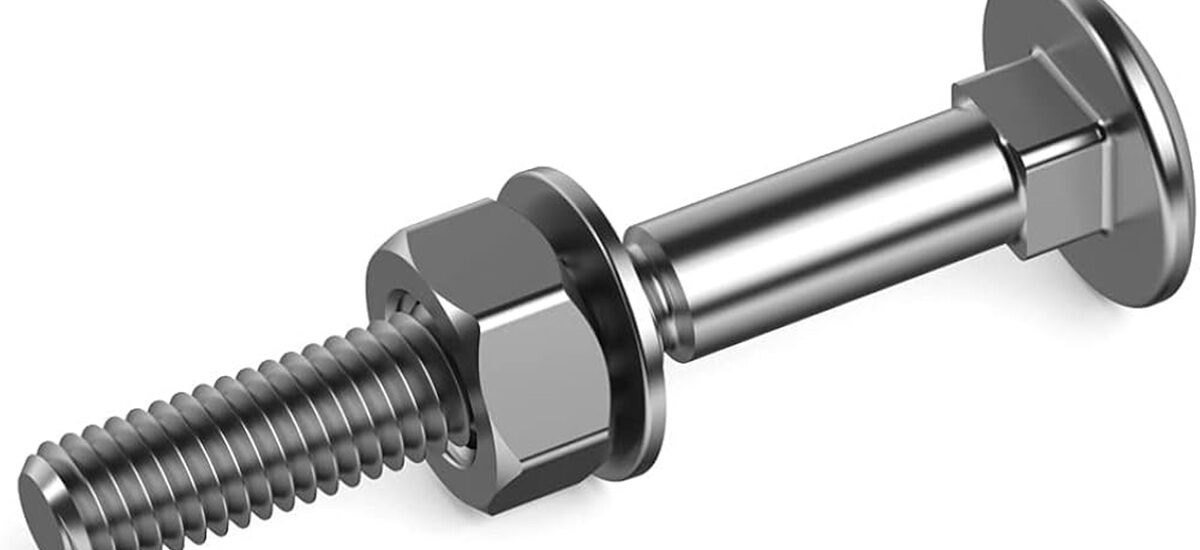
A carriage bolt looks unique at first glance. It features a round dome-shaped head with no visible drive slot. Just below the head, there is a short square section that grips into wood or metal, stopping the bolt from spinning when you tighten the nut from the other end. This is one of the main benefits — it saves time and gives a firm hold without needing a tool on the bolt head.
This fastener is commonly used in wood, but modern structures also use the carriage bolt for metal and composite materials when anti-rotation and neat appearance are required. Its smooth head also makes it safer in places where people may touch or brush against the bolt, such as play equipment or furniture.
Where Carriage Bolts Are Used in Real Projects
You will find the carriage bolt almost everywhere once you start noticing it. From carpentry workshops to industrial machines, the bolt supports a wide range of applications.
Wooden furniture is one of the most common uses. When assembling wooden beds, chairs, benches, cabinets or outdoor seating, the rounded head of the carriage bolt creates a sleek look while holding joints firmly. Because the bolt stays locked in place, it avoids loosening over time when furniture is moved or used frequently.
In construction, the carriage bolt is used in timber framing, pergolas, railings, decks, fences and dock structures. Outdoor areas especially benefit from stainless steel or galvanized versions that resist corrosion. The secure hold prevents joint separation due to wind, moisture, and load stress.
The automotive and industrial world also relies on this bolt. You may see a carriage bolt holding panels, conveyor systems, equipment frames and machinery guards. Engineers prefer it because it resists tampering and offers reliable strength under vibration or motion.
Even public structures such as park benches, sign boards, garden structures and playground equipment use this fastener for both safety and durability. That smooth head is harder for vandals to loosen and safer for children to touch.
Materials and Finishing Options You Can Choose From
Strength and durability depend not only on design but also on material. A carriage bolt is available in many finishes, each ideal for certain environments.
If you work outdoors or near water, stainless steel is a smart pick. It resists rust and stays strong for many years even in rain or humid climates. Galvanized versions are great for general outdoor construction and fencing, because the zinc layer protects against corrosion at a budget-friendly cost.
Carbon steel and zinc-plated versions suit indoor furniture and general assembly work. They offer good strength where weather protection isn’t a priority. The surface remains clean and attractive, making them good for visible joints in furniture or indoor framing.
Choosing the right carriage bolt finish guarantees your project lasts longer without weakening or staining surrounding surfaces.
How to Install a Carriage Bolt the Right Way
Working with a carriage bolt is simple once you understand the process. Since the head has no slot, your effort focuses on preparing the hole correctly and tightening from the nut side.
First, drill a hole the same diameter as the bolt. Press the square neck into the material so it catches firmly. You may give a light tap with a hammer if the wood or surface is hard. Then place a washer and nut on the opposite side and tighten using a wrench. As the nut turns, the square neck prevents the carriage bolt from rotating, allowing the nut to tighten smoothly.
For thick beams or surfaces under heavy load, adding a washer under the dome head also helps distribute pressure evenly. In soft wood, this prevents the head from sinking in too deeply.
Choosing the Right Carriage Bolt Size and Style
Selecting the correct carriage bolt size depends on the thickness of your material and the load the joint will handle. Thicker bolts handle higher stress, while longer bolts are needed for deeper joints and washers.
In lighter furniture or cabinet work, thinner and shorter bolts are often enough. For heavy gate posts, timber decks or machinery frames, thicker bolts deliver better safety and lasting grip.
You can find carriage bolt options in fully threaded or partially threaded varieties. Fully threaded models allow maximum flexibility while partially threaded bolts add higher shear strength in structural work where side pressure matters.
Pick the size and length not only based on fit, but on long-term stability and usage conditions.
Carriage Bolt vs Regular Hex Bolt
Many builders compare a carriage bolt to a hex bolt when deciding which to use. The major difference lies in appearance and installation style. A carriage head gives a smooth finish and prevents tampering, while a hex bolt needs a tool on both ends to tighten and is more visible.
If you need a neat look and hands-free holding during tightening, go with a carriage bolt. If you need to frequently remove and reinstall the fastener or are working in heavy machinery where torque is key, a hex bolt might fit better.
There’s no universal winner. It depends on your project style, access and safety needs.
Why This Bolt Is a Favorite Among Woodworkers and Construction Professionals
Ask any professional carpenter or site engineer why they love the carriage bolt, and the answers often repeat. It does not loosen easily, it prevents rotation without special tools, it looks neat and it has strong clamping power.
When building long-term structures or heavy furniture, small details like fastener quality matter. The wrong fastener can loosen, rust or cause joint failure. Choosing a reliable carriage bolt avoids these issues and supports durable craftsmanship.
For makers who value the finish and strength of their work, the carriage bolt is not just hardware but an essential building partner.
Why Buy From An Fastener Supplier
At An Fastener Supplier, we believe dependable fasteners are the backbone of reliable construction and engineering. Our products are manufactured to quality standards that builders trust. We supply the carriage bolt in multiple sizes, finishes and strengths to suit everything from fine furniture to heavy timber projects and industrial equipment.
Customers choose us because we offer competitive pricing, bulk order support, fast delivery and technical guidance when needed. Whether you are a contractor, workshop owner or industrial buyer, you will find a dependable supply partner at anfastenersupplier.com.
Our team understands that a fastener may look small, but it plays a huge role in the performance and safety of your work. That’s why we focus on consistent quality and reliable availability.
Final Thoughts
A carriage bolt might seem like a simple fastener, but its design, strength and tamper-resistant features make it a powerful choice for secure assembly. From furniture to building frames, from outdoor structures to industrial equipment, this bolt offers stability, safety and a clean finish.
If your project requires durability, neat appearance and strong grip, investing in the right carriage bolt is the smart move. And when you choose a trusted source like An Fastener Supplier, you ensure performance and peace of mind.
Click on our website https://anfastenersupplier.com/ to explore more blogs and expert knowledge related to fasteners.